
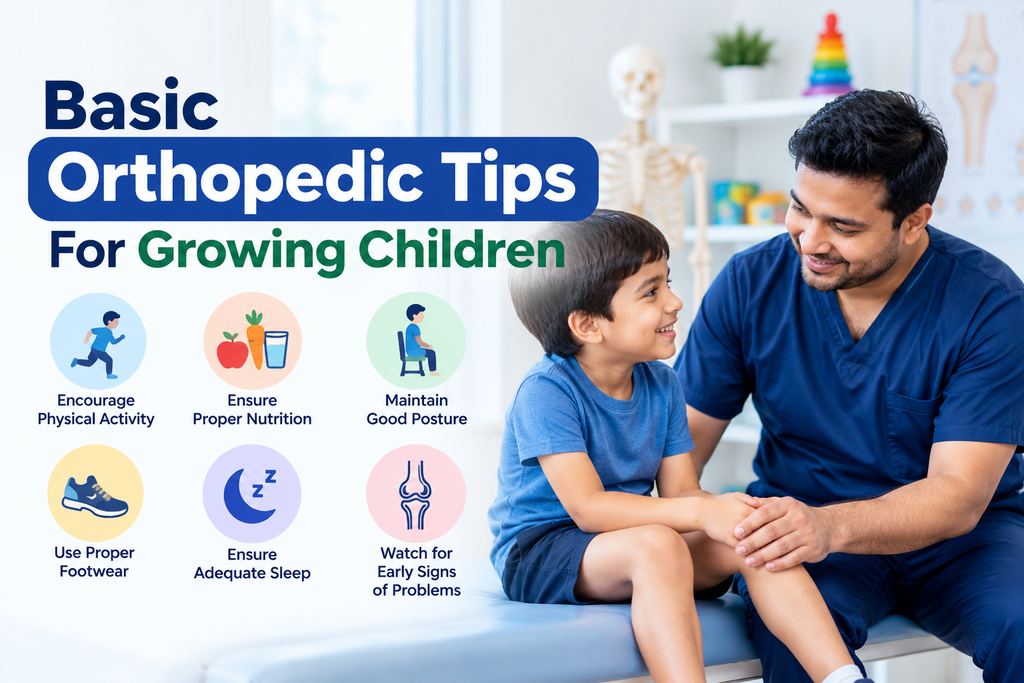
Childhood is a critical period for the development of bones, joints, muscles, and movement patterns. As parents, you play a vital role in supporting your child’s physical growth. While many developmental variations are normal, certain symptoms may require professional assessment. This guide helps parents develop healthy habits and recognize when to seek advice from a Pediatric Bone Specialist in Bhubaneswar.
Why Is Orthopedic Health Important During Childhood?
Bones and joints undergo rapid changes as children grow. Muscles, ligaments, and movement patterns evolve alongside skeletal development. Physical activity, proper nutrition, and injury prevention are essential for building strong foundations. However, persistent pain, movement difficulties, or progressive deformities should not be ignored. It is important to remember that children develop at different rates, and not every variation requires treatment.
7 Essential Orthopedic Tips for Growing Children
1. Support Healthy Bone Development Through Nutrition
A balanced diet rich in calcium, vitamin D, and protein is crucial for healthy bone development in children. Include milk, dairy products, pulses, eggs, and vegetables. Supplements should only be used under medical advice, not routinely.
2. Encourage Regular Physical Activity
Age-appropriate activities like walking, swimming, and outdoor play support bone strength and coordination. Avoid excessive intense exercise for young children; focus on fun and movement.
3. Pay Attention to Posture and Backpack Habits
Poor posture in children can lead to discomfort. Ensure study furniture fits their height, take regular breaks, and use backpacks with both shoulder straps. Avoid carrying heavy loads to prevent strain.
4. Observe Your Child’s Walking Pattern
Common variations like in-toeing or flat feet in children often improve with growth. However, persistent pain, asymmetry, or frequent falls may need assessment by a Child Orthopedic Specialist in Bhubaneswar.
5. Prevent and Manage Childhood Injuries Properly
Use protective equipment during sports and cycling. Significant swelling, deformity, or inability to use a limb after an injury requires prompt medical attention to address potential childhood fractures.
6. Take Persistent Bone, Joint, or Back Pain Seriously
Occasional aches are common, but persistent or worsening pain deserves attention. Watch for swelling, fever, or limping. Do not automatically attribute recurring pain to “growing pains” without evaluation.
7. Avoid Self-Prescribed Orthopedic Treatments
Do not use braces or corrective footwear without professional advice. Treatment depends on the child’s specific condition and age. Consult an Orthopedic Doctor for Children for personalized guidance.
Common Orthopedic Problems in Growing Children
Parents often notice conditions like knock knees, bow legs, toe walking, or child walking problems. While many are developmental, persistent issues or congenital foot deformities may need evaluation. Distinguish between normal variations and symptoms indicating a problem.
When Should You Consult an Orthopedic Doctor for Your Child?
Seek a Pediatric Orthopedic Consultation if your child has:
- Persistent bone, joint, or back pain.
- A limp or unexplained change in walking.
- Visible or progressive limb deformity.
- Repeated fractures or difficulty bearing weight.
- Swelling or reduced joint movement.
A clinician can determine if observation, imaging, or treatment is needed.
Warning Signs That Require Urgent Medical Attention
Seek urgent care for:
- Major injuries or visibly deformed limbs.
- Severe pain or inability to bear weight.
- Hot, swollen joints with fever.
- Sudden inability to walk or new weakness.
These serious symptoms should not wait for a routine appointment.
What Happens During a Pediatric Orthopedic Consultation?
The process involves reviewing medical history, examining posture and gait, and checking joint movement. Imaging is only used when necessary. The doctor will discuss options like observation, physiotherapy, or bracing if indicated.
How Can Parents Support Healthy Bone and Joint Development at Home?
- Offer a balanced, varied diet.
- Encourage outdoor play and safe exercise.
- Maintain healthy sleep routines.
- Use safety equipment during sports.
- Monitor persistent pain or walking changes.
Finding a Pediatric Orthopedic Doctor in Bhubaneswar
Choosing a qualified Pediatric Orthopedic Surgeon with experience in children’s musculoskeletal conditions is essential. Dr. Dibya Ranjan Sahoo offers specialized care for pediatric orthopedic needs. For families in nearby areas, finding a Pediatric Orthopedic Doctor in Cuttack or Bhubaneswar ensures access to expert evaluation.
Frequently Asked Questions
1. At what age should children have their orthopedic health checked?
Routine checks occur during well-child visits. Seek specific orthopedic evaluation if you notice pain, limping, or deformity at any age. Early assessment helps manage developmental issues effectively.
2. What are the signs of orthopedic problems in children?
Signs include persistent pain, limping, swelling, stiffness, unusual walking patterns, or visible deformities. If these symptoms interfere with daily activities, consult a specialist for proper diagnosis and care.
3. Is flat feet normal in growing children?
Yes, flexible flat feet are common in toddlers and often improve with age. If the feet are stiff, painful, or cause tripping, an evaluation by a pediatric orthopedic specialist is recommended.
4. When should parents worry about knock knees or bow legs?
Mild alignment variations are normal during growth. Concern arises if the condition is severe, asymmetric, worsening after age 7-8, or causing pain. A specialist can determine if intervention is necessary.
5. Why does my child complain of leg pain?
Leg pain can stem from activity, minor injuries, or growing pains. However, persistent, localized, or night-time pain requires evaluation to rule out underlying bone and joint problems in children.
6. Can poor posture affect a child’s musculoskeletal health?
Poor posture can cause muscle strain and discomfort. While it rarely causes permanent spinal deformity, ergonomic adjustments and movement breaks help maintain comfort and healthy development.
7. When should a child see a pediatric orthopedic doctor?
Consult a doctor for persistent pain, limping, deformities, repeated fractures, or difficulty keeping up with peers. Early intervention ensures optimal management of signs of orthopedic problems in children.
Conclusion
Supporting your child’s orthopedic health involves balanced nutrition, active play, and awareness of persistent symptoms. Many developmental variations are normal, but pain, progressive deformities, or walking difficulties deserve professional evaluation. If you have concerns, seek advice from a qualified Pediatric Bone Specialist in Bhubaneswar to ensure your child’s healthy growth.
Get a Professsional Consultation For Your Child Bone Treatment From Dr Dibya Ranjan Sahoo

Secure your child’s future with expert pediatric orthopedic care. Consult Dr. Dibya Ranjan Sahoo in Bhubaneswar for precise diagnosis and trusted treatment of bone, joint, and muscle conditions, ensuring healthy growth and development for your little one.
Book Your Consultation With Dr Dibya Ranjan Sahoo
Address :- Pragati Enclave, MIG S 21, Niladri Vihar, Chandrasekharpur, Bhubaneswar, Odisha 751016
Call :- +91 83288 83481
Visit Location :- https://maps.app.goo.gl/XzgXEJqorqeK7Vad8
Book an appointment today and get a professional consultation for your spinal treatment
