
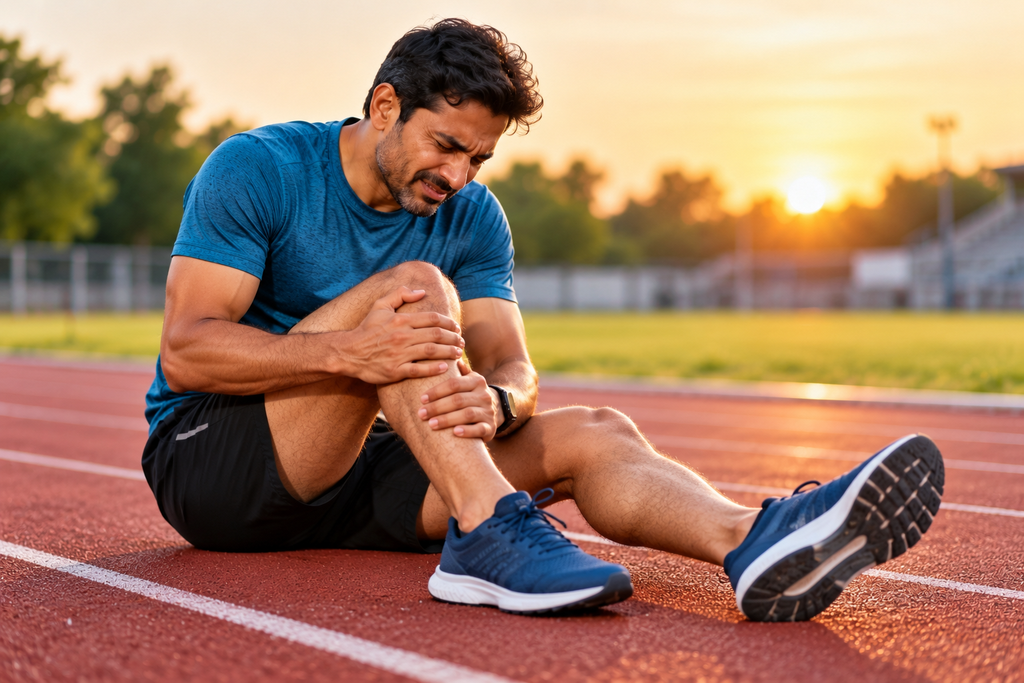
Staying active through sports and exercise is one of the best things you can do for your physical and mental health. Whether you enjoy running, cycling, playing badminton, or lifting weights at the gym, regular physical activity supports cardiovascular health, strengthens muscles and bones, and improves overall well-being. For adults in Bhubaneswar and across Odisha, staying active has become an increasingly important part of daily life. However, sports and exercise also carry some risk of injury. Sudden movements, repetitive loading, inadequate recovery, and accidental impacts can all lead to musculoskeletal problems. While no prevention strategy can eliminate every risk, understanding common injuries and adopting sensible training habits can significantly reduce preventable issues. For those who do experience persistent or significant symptoms, timely sports injury treatment in Bhubaneswar can help ensure proper assessment and recovery.
8 Common Sports Injuries in Adults
1. Muscle Strains
A strain is a twist, pull, or tear of a muscle or the tendon that connects muscle to bone . These often occur during sprinting, jumping, or sudden changes in direction. Common sites include the hamstrings and lower back. Symptoms typically include localized pain, tenderness, swelling, and difficulty using the affected muscle .
2. Ligament Sprains
Sprains involve stretching or tearing of ligaments—the bands of tissue that connect bones and stabilize joints . They commonly affect the ankle, knee, and wrist. Awkward landings, twisting movements, and sudden direction changes are frequent causes.
3. Knee Injuries
Knee problems in sports include ligament injuries, meniscal tears, and patellofemoral pain. Pivoting, landing from jumps, and sudden deceleration can contribute to certain knee injuries . Diagnosis depends on clinical assessment, as symptoms can overlap between different conditions.
4. Ankle Sprains
Ankle sprains are among the most common sports injuries in adults. They typically occur when the foot rolls or twists during running, jumping, or walking on uneven ground . Symptoms include pain, swelling, bruising, and difficulty bearing weight. Severe pain or inability to bear weight may warrant prompt assessment to rule out a fracture .
5. Tendon Injuries and Tendinopathy
Tendons connect muscle to bone. Common examples include Achilles tendon problems and patellar tendinopathy. Repetitive loading, abrupt increases in training intensity, and insufficient recovery can contribute to tendon pain . Persistent tendon pain differs from a sudden rupture, which requires urgent medical attention.
6. Shoulder Injuries
Sports-related shoulder problems include rotator cuff injuries and shoulder instability. Repetitive overhead movements—common in swimming, throwing sports, and weight training—can contribute to these conditions. Falls onto an outstretched arm can also cause shoulder injuries .
7. Stress Fractures
Stress fractures are small cracks in bone that develop when repetitive loading exceeds the bone’s capacity to adapt . They commonly affect the lower extremities in runners and jumping athletes. Sudden increases in training volume, inadequate recovery, and certain bone-health factors increase risk. Persistent localized bone pain during activity deserves medical assessment.
8. Lower Back Injuries and Pain
Sports-related back pain may be associated with muscle strain, repetitive loading, or technique issues. Golf, rowing, and sports involving twisting motions can contribute . Persistent or worsening back pain should be evaluated. Urgent warning signs include new leg weakness, numbness in the saddle area, or loss of bladder or bowel control.
What Causes Sports Injuries in Adults?
Sports injuries usually have multiple contributing factors . Common ones include:
- Increasing exercise intensity or duration too quickly
- Inadequate recovery between training sessions
- Poorly controlled movements or unsuitable technique
- Repetitive loading without sufficient variation
- Previous injuries or incomplete rehabilitation
- Unsuitable footwear or playing surfaces
- Fatigue and reduced coordination
- Individual differences in strength, mobility, and conditioning
Adults may also be less agile and resilient than they were when younger, making gradual progression especially important .
How to Prevent Common Sports Injuries
1. Warm Up Before Exercise
A progressive warm-up prepares the body for activity by raising muscle temperature and improving readiness . Light aerobic movement followed by sport-specific drills is more effective than static stretching alone.
2. Increase Training Gradually
Sudden increases in duration, distance, weight, or intensity can exceed the body’s capacity to adapt. Adults returning after a break should resume progressively rather than attempting their previous workload immediately .
3. Build Strength and Conditioning
Appropriate strength, balance, and sport-specific conditioning may reduce the risk of certain injuries and improve performance. Exercises should be adjusted to your fitness level, health status, and sport.
4. Use Correct Technique and Suitable Equipment
Technique coaching where appropriate, properly fitted footwear, and sport-specific protective equipment support safe participation. However, no single item of equipment guarantees injury prevention .
5. Prioritize Recovery and Sleep
Rest days, adequate sleep, and appropriate nutrition support recovery between demanding sessions. Persistent fatigue or recurring pain may indicate the need to adjust training.
6. Maintain Bone and Muscle Health
Balanced nutrition including adequate protein, calcium, and vitamin D—supports musculoskeletal health. Supplements should be based on individual needs and professional advice.
7. Do Not Ignore Persistent Pain
Ordinary post-exercise muscle soreness typically resolves within a few days. Pain that is sharp, worsening, persistent, or associated with swelling or reduced function warrants attention . Modify or stop the provoking activity and seek medical advice when symptoms suggest a significant injury.
How Are Sports Injuries Diagnosed and Treated?
Assessment typically involves reviewing how the injury occurred, asking about symptoms and function, performing a physical examination, and ordering imaging when clinically indicated. Treatment depends on the specific injury and may include activity modification, rehabilitation, physiotherapy, pain management, bracing, or surgery for selected cases. Not every sports injury requires imaging, medication, or surgery. For adults in Bhubaneswar seeking sports injury treatment in Bhubaneswar, proper evaluation helps ensure an accurate diagnosis and a personalized management plan tailored to individual needs.
How Can You Return to Sports Safely After an Injury?
Returning too early increases the risk of reinjury. Safe return generally requires :
- Pain and swelling appropriately controlled
- Restored range of motion and strength
- Adequate balance and functional movement
- Sport-specific conditioning
- A gradual return to training
- Medical or rehabilitation guidance when indicated
Recovery timelines vary considerably by injury type and individual factors.
Frequently Asked Questions About Sports Injuries
1. What are the most common sports injuries in adults?
Ans :- Ankle sprains, muscle strains, knee injuries, tendon problems, and shoulder injuries are among the most frequent. Many are overuse injuries related to training errors or inadequate recovery, while others result from acute events like falls or awkward landings.
2. How can I prevent injuries while working out at the gym?
Ans :- Progress gradually, use controlled movements, and allow adequate recovery between sessions. Warm up before training, use appropriate technique, and avoid suddenly increasing weight or volume. Persistent pain during workouts should prompt assessment rather than pushing through.
3. Is warming up enough to prevent sports injuries?
Ans :- Warming up helps prepare muscles and may reduce some injury risk, but it is not sufficient alone. Gradual progression, appropriate conditioning, adequate recovery, and suitable equipment are also important components of injury prevention.
4. How can runners reduce their risk of knee injuries?
Ans :- Avoid sudden increases in mileage or intensity. Incorporate strength training for the lower body and hip stabilizers. Ensure adequate recovery between runs. Replace worn footwear. Persistent knee pain that affects running should be evaluated.
5. What is the difference between a muscle strain and a ligament sprain?
Ans :- A strain affects muscles or tendons, while a sprain affects ligaments that connect bones. Strains often occur from overstretching during activity; sprains typically result from joint stress such as twisting or landing awkwardly. Both cause pain and swelling.
6. When should I see a doctor after a sports injury?
Ans :- Seek assessment for severe pain, significant swelling, inability to bear weight, joint instability, or symptoms that persist beyond a few days despite rest. Visible deformity, numbness, or signs of fracture require urgent care.
7. Can I continue exercising if I have mild pain?
Ans :- Mild soreness that improves with gentle movement is often acceptable. However, sharp, worsening, or persistent pain or pain associated with swelling or reduced function—should prompt activity modification and medical advice if it continues.
Conclusion
Sports and exercise offer substantial health benefits, but sensible training habits are essential for staying active safely. Gradual progression, appropriate conditioning, suitable equipment, sufficient recovery, and early attention to concerning symptoms can help reduce the risk of preventable injuries. No strategy eliminates all risk, but informed choices support long-term participation. If you experience persistent, severe, or function-limiting symptoms, seek an appropriate medical assessment. For adults in Bhubaneswar and Cuttack, sports injury treatment in Bhubaneswar is available for evaluation of sports-related musculoskeletal concerns, helping active individuals return to the activities they enjoy with proper guidance and rehabilitation.
Don’t Ignore the sports Injuries : Consult an Orthopedic Expert
Persistent pain, swelling, or reduced movement after sport should not be ignored. Early orthopedic assessment supports accurate diagnosis, appropriate treatment, and safer return to activity.
Meet Your Orthopedic Expert : Dr Dibya Ranjan Sahoo

Dr. Dibya Ranjan Sahoo is a distinguished Orthopedic Surgeon and Assistant Professor at KIMS Hospital, Bhubaneswar, with qualifications including M.B.B.S., MS Orthopaedics (AIIMS), DNB (Ortho), and a Fellowship in Pediatric Orthopaedics. He brings comprehensive training and experience in treating musculoskeletal conditions across all age groups, with expertise spanning pediatric orthopedics, complex trauma and fracture care, joint replacement and arthroscopy, spine surgeries, deformity correction, and hand surgeries. His practice is guided by a commitment to accurate diagnosis, ethical medical practice, and clear communication, combining modern medical technology with refined surgical techniques to develop personalized treatment plans based on each patient’s condition and lifestyle needs.
Book Your Consultation With Dr Dibya Ranjan Sahoo
Address :- Pragati Enclave, MIG S 21, Niladri Vihar, Chandrasekharpur, Bhubaneswar, Odisha 751016
Call :- +91 83288 83481
Visit Location :- https://maps.app.goo.gl/XzgXEJqorqeK7Vad8
Book an appointment today and get a professional consultation for your spinal treatment
