
Knee Pain
- Home
- Knee Pain
What Is Knee Pain?
Knee pain is a common condition that affects people of all ages and can range from mild discomfort to severe pain that limits daily activities. It may occur due to injury, wear and tear of the joint, inflammation, or underlying medical conditions. Knee pain can develop suddenly after an injury or gradually over time due to ageing or overuse. If left untreated, it can affect mobility, balance, and overall quality of life.
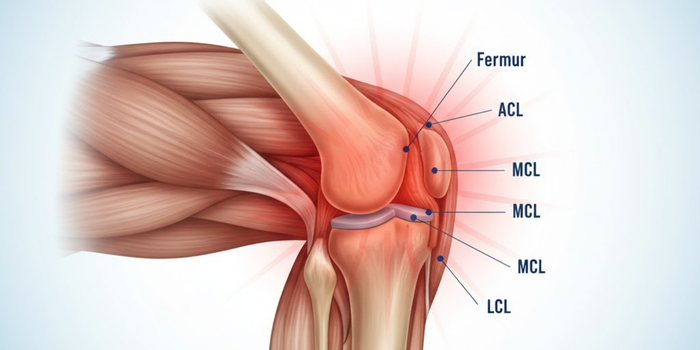
All About Knee Pain
- Cause
- Symptoms
- Treatment
Knee pain can occur due to ageing, injury, overuse, arthritis, or sudden trauma. Problems with ligaments, cartilage, bones, or surrounding muscles can all lead to pain and stiffness. Identifying the exact cause is the first and most important step toward effective treatment.
Common signs of knee pain include swelling, stiffness, difficulty bending or straightening the knee, pain while walking or climbing stairs, and a feeling of weakness or instability. Early attention to these symptoms can help prevent further joint damage.
Once the cause and severity are identified, a personalized treatment plan is created. This may include rest, medications, physiotherapy, lifestyle changes, or advanced treatments such as injections or surgery when required. The aim is to relieve pain, restore movement, and improve quality of life.
Treatment for Knee Pain
Treatment for knee pain depends on the cause, severity, age, and activity level of the patient. Most cases can be managed effectively with non-surgical methods, while advanced conditions may require surgical intervention.
Non-surgical treatments include:-
- Rest and activity modification
- Pain relief and anti-inflammatory medications
- Physiotherapy and strengthening exercises
- Weight management and lifestyle changes
- Knee supports or braces
- Injections for pain and inflammation relief
Surgical treatments may be advised when necessary:-
- Arthroscopic (keyhole) surgery
- Ligament or cartilage repair
- Partial or total knee replacement
Other Treatments
Book an Appointment
Frequently Asked Questions
You should consult a doctor if knee pain persists for more than a few days, worsens over time, causes swelling or instability, or interferes with daily activities.
Yes. Most knee pain conditions can be treated successfully with non-surgical methods such as physiotherapy, medications, lifestyle changes, and injections.
Yes, knee pain becomes more common with age due to wear and tear of the joint, especially in conditions like osteoarthritis.
Recovery time varies depending on the cause and treatment method. Mild conditions may improve in weeks, while advanced cases may take longer with guided treatment and rehabilitation.
