

Knee pain has a way of making itself known at the most inconvenient moments. Maybe it’s that familiar twinge when you climb the stairs to your office in Bhubaneswar, the dull ache after a morning walk, or the sharp protest when you try to get up from a low chair. For many adults, knee pain becomes an unwelcome companion that gradually chips away at the simple joys of everyday life.
If this sounds familiar, you’re not alone. Knee pain is one of the most common orthopedic complaints, affecting people of all ages. The good news is that understanding what’s causing your knee pain is the first step toward finding relief. And when that knee pain becomes persistent, a knee pain treatment in Bhubaneswar consultation could be the turning point you need.
What Is Knee Pain?
The knee is the largest joint in your body and one of the most complex . It’s a remarkable piece of engineering that allows you to walk, run, jump, and pivot but it also bears a significant amount of weight and stress.
To understand knee pain, it helps to know the major structures that make up this joint:
- Bones: The thighbone (femur), shinbone (tibia), and kneecap (patella) form the bony framework of the knee.
- Cartilage: This smooth, slippery tissue covers the ends of the bones, allowing them to glide against each other without friction. It acts as a shock absorber.
- Meniscus: These are C-shaped wedges of cartilage that act as cushions between the thighbone and shinbone.
- Ligaments: These tough bands of tissue connect bones to each other, providing stability.
- Tendons: These connect muscles to bones, allowing movement.
- Muscles: The muscles around the knee, especially the quadriceps and hamstrings, support the joint and enable movement.
Pain can arise from any of these structures due to injury, inflammation, wear and tear, or underlying conditions . Understanding this can help you appreciate why knee pain isn’t a one-size-fits-all problem and why a proper diagnosis matters.
Common Causes of Knee Pain
There are numerous reasons why your knee might hurt. Identifying the underlying cause is crucial for effective treatment. Here are some of the most common culprits .
Knee Injuries
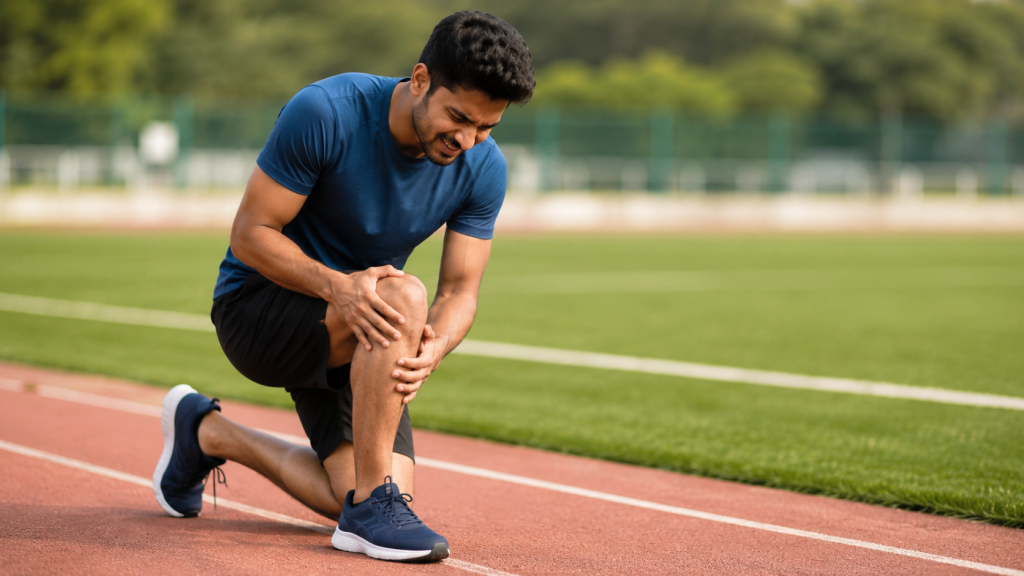
Injuries are a frequent cause of sudden knee pain, particularly in younger and more active individuals. These can include:
- Ligament injuries: A sudden twist or impact can tear one of the knee’s ligaments, most commonly the anterior cruciate ligament (ACL) .
- Meniscus tears: A forceful twist while bearing weight can tear the meniscus cartilage.
- Sprains and strains: Overstretching or tearing of muscles or ligaments around the knee.
- Fractures: A broken bone in the knee, usually from trauma.
- Dislocations: When the kneecap slides out of its normal position.
Osteoarthritis
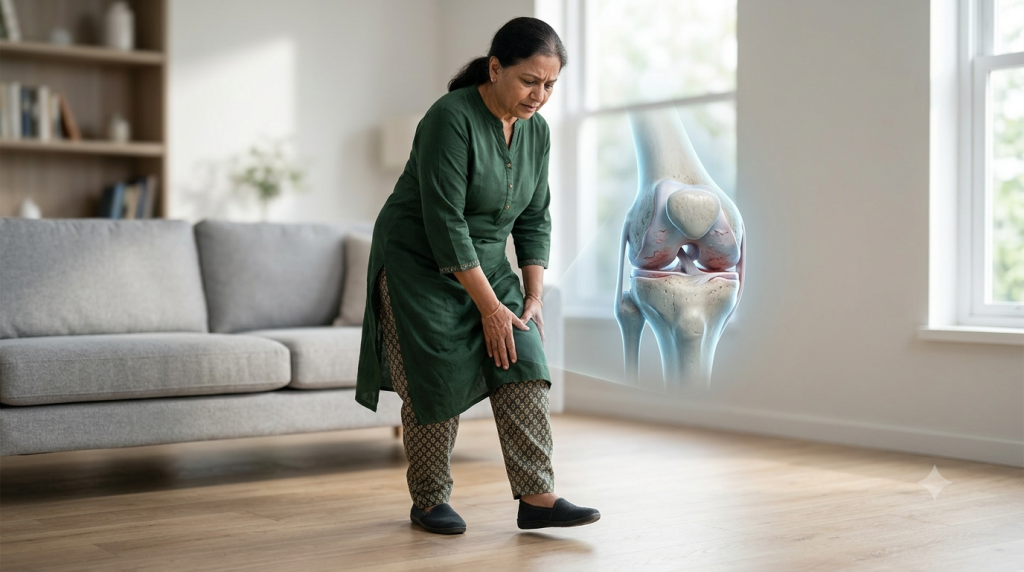
Osteoarthritis is the most common form of arthritis affecting the knee . It occurs when the protective cartilage that cushions the ends of your bones gradually wears down over time. This leads to bone rubbing against bone, causing pain, stiffness, and swelling. It’s often associated with aging, but can also be accelerated by previous injuries or obesity.
Rheumatoid Arthritis
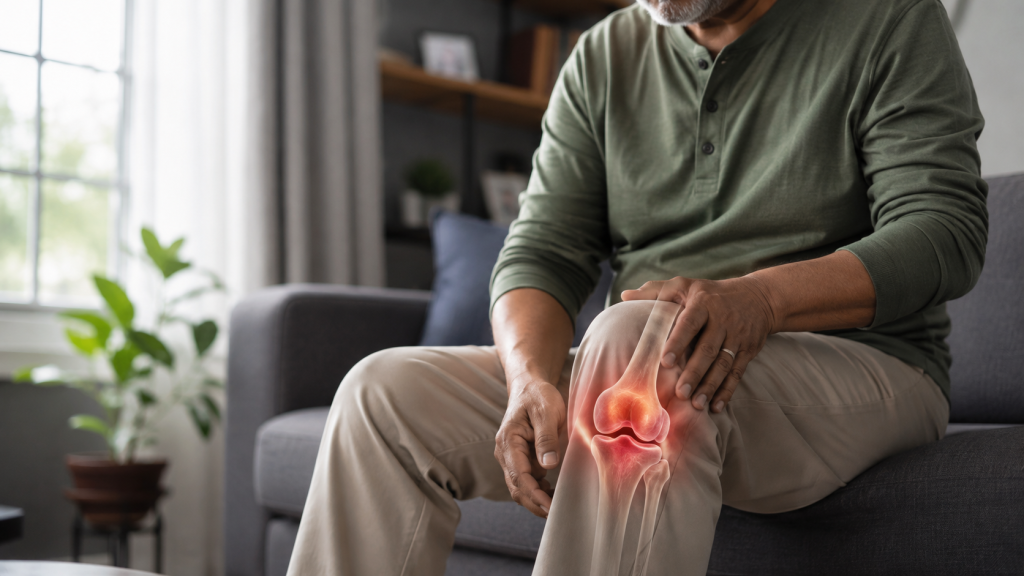
Unlike osteoarthritis, rheumatoid arthritis is an autoimmune condition. This means the body’s immune system mistakenly attacks the lining of the joints, including the knee, causing painful swelling and inflammation . Over time, this can lead to joint deformity and bone erosion.
Tendinitis and Bursitis
- Tendinitis: Inflammation of the tendons around the knee, often from overuse. It frequently causes pain in the front of the knee, especially when climbing stairs or walking on an incline .
- Bursitis: Inflammation of the bursae, small fluid-filled sacs that cushion the outside of the knee joint. This is often caused by repeated overuse or injury .
Overuse and Repetitive Stress
Repetitive activities, a sudden increase in exercise intensity, or certain sports can put excessive stress on the knee joint, leading to pain. This is common in runners, cyclists, and athletes.
Other Possible Causes
Other conditions that can cause or contribute to knee pain include:
- Gout: A form of arthritis caused by a buildup of uric acid crystals in the joint .
- Infections: Bacterial infections in the knee joint are rare but serious.
- Referred pain: Sometimes, pain originating from the hip or spine can be felt in the knee.
Common Symptoms That Can Occur With Knee Pain
The symptoms you experience alongside knee pain can vary widely depending on the underlying cause. Common symptoms include:
- Swelling and stiffness
- Tenderness along the joint line
- Weakness or a feeling of instability
- Popping or clicking sounds when bending the knee
- Redness and warmth (a sign of inflammation or infection)
- Reduced range of motion, making it difficult to fully bend or straighten the leg
- Difficulty bearing weight on the affected leg
Different Types of Knee Pain
The way you experience knee pain can offer clues about its cause. This simple table explains what different pain patterns might indicate, but remember, these are possible causes, not a diagnosis.
| Pain Pattern | Possible Causes |
|---|---|
| Pain while climbing stairs | Patellofemoral pain, osteoarthritis, muscle weakness |
| Pain after exercise | Overuse injuries, tendonitis, bursitis |
| Sudden, severe pain | Acute injury, ligament tear, fracture, gout flare-up |
| Pain with swelling | Injury, osteoarthritis, rheumatoid arthritis, infection |
| Pain with stiffness, especially in the morning | Osteoarthritis, rheumatoid arthritis |
| Pain with a feeling of instability | Ligament injury, meniscus tear |
Knee Pain While Walking or Climbing Stairs
It’s a particularly frustrating experience when the simplest movements cause pain. If your knee hurts while walking or climbing stairs, it can significantly impact your daily life.
Common contributors to this type of pain include:
- Arthritis: Both osteoarthritis and rheumatoid arthritis can cause pain with weight-bearing activities like walking and stair climbing.
- Patellofemoral pain: This is pain around the kneecap, often worsened by climbing stairs, squatting, or running.
- Muscle weakness: Weak quadriceps or hamstring muscles can place extra stress on the knee joint.
- Tendon problems: Tendonitis in the patellar tendon can cause pain at the front of the knee.
- Previous injuries: A past injury, even if healed, can make the knee more susceptible to pain with normal activities.
- Excessive joint stress: Carrying extra weight can put additional strain on the knee joint.
Persistent pain during these routine activities should not be ignored. It’s your body’s way of telling you something is not right and may require a proper evaluation by an orthopedic doctor in Bhubaneswar.
When Should You See an Orthopedic Doctor for Knee Pain?
Ignoring knee pain can sometimes make the problem worse. It’s time to see an orthopedic doctor when:
- Pain persists for more than a few days or keeps returning.
- The pain interferes with your daily activities or quality of life.
- The knee is significantly swollen, red, or warm to the touch.
- You feel unstable or like your knee is “giving way.”
- You hear a popping sound at the time of injury and experience severe pain.
- You cannot bear weight on the affected leg.
- Home remedies like rest, ice, and over-the-counter pain relievers aren’t helping.
- The pain is accompanied by a fever.
An orthopedic doctor in Bhubaneswar for knee pain can conduct a thorough evaluation to determine the cause of your pain and recommend the most appropriate treatment .
When Is Knee Pain an Emergency?
While most knee pain is not a medical emergency, certain situations require immediate attention. Seek emergency care if you experience:
- A visible deformity in the knee, suggesting a dislocation or fracture.
- Inability to bear any weight on the leg after an injury.
- Sudden, massive swelling following an injury.
- A hot, red, and severely painful joint accompanied by a fever, which could indicate an infection.
- A feeling that the knee is unstable or will not support you.
Don’t delay in these situations. An urgent evaluation can prevent further damage and ensure the best possible outcome.
How Is Knee Pain Diagnosed?
When you visit an orthopedic doctor for knee pain, they will begin with a comprehensive evaluation to understand your condition and develop a treatment plan . This generally includes:
- Medical History: Discussing your symptoms, when they started, what makes them better or worse, any previous injuries, and your overall health.
- Physical Examination: Examining the affected knee, checking for swelling, tenderness, range of motion, and joint stability. The doctor may also assess your gait and muscle strength.
- Imaging Tests: Depending on the suspected cause, your doctor may recommend:
- X-ray: To view the bones and look for fractures or signs of arthritis.
- MRI: To provide detailed images of soft tissues like cartilage, ligaments, and tendons.
- Ultrasound: To evaluate the tendons and bursae around the knee.
- Blood tests: In selected cases, to look for signs of infection or inflammatory conditions like rheumatoid arthritis.
Not every patient will need an MRI or other advanced imaging. The choice of tests depends on the clinical findings during the consultation. This process helps doctors create a personalized knee pain treatment plan tailored to your specific needs .
Treatment Options for Knee Pain
Treatment for knee pain varies depending on the cause and severity of the condition. Fortunately, surgery is not always the first answer .
Rest and Activity Modification
For many types of knee pain, simply resting the joint and avoiding activities that aggravate the pain can be an effective first step.
Physiotherapy and Exercise
A targeted physiotherapy program can be transformative for knee pain. It focuses on strengthening the muscles around the knee, improving flexibility, and correcting movement patterns to reduce stress on the joint. This can be particularly helpful for conditions like osteoarthritis .
Medicines
Your doctor may recommend pain-relieving or anti-inflammatory medications to help manage your symptoms. These can include over-the-counter options or prescription medications depending on the severity of the pain.
Injections
For certain conditions, such as osteoarthritis, injections of corticosteroids (for inflammation) or hyaluronic acid (for joint lubrication) may be considered to provide relief. Some clinics in Bhubaneswar also offer advanced therapies like Platelet-Rich Plasma (PRP) injections .
Surgery
Surgery is typically considered for severe injuries, advanced joint damage, or when other, more conservative treatments have not provided adequate relief . Knee surgeries can range from arthroscopic procedures to repair damaged cartilage or ligaments to total knee replacement in cases of advanced arthritis . If you are experiencing severe knee pain, an orthopedic doctor for knee pain in Bhubaneswar can explain the risks and benefits of any surgical option.
How to Prevent Knee Pain
While not all knee pain is preventable, you can take steps to protect your knees and reduce your risk.
- Maintain a healthy body weight: This reduces the stress on your knee joints.
- Strengthen the muscles around your knees: Strong quadriceps and hamstrings act as shock absorbers for the knee.
- Warm up before exercise: Gentle stretches before a workout can prepare your knees for activity.
- Increase exercise intensity gradually: Avoid sudden increases in the duration or intensity of your workouts.
- Wear proper footwear: Good shoes can provide support and cushioning for your knees.
- Use proper technique: Whether you’re lifting weights or playing a sport, good form can prevent injuries.
Knee Pain in Different Age Groups
While knee pain can affect anyone, certain causes are more common in specific age groups.
Younger Adults
In younger adults, knee pain is frequently related to sports injuries, overuse, and ligament or meniscus tears.
Middle-Aged Adults
For those in their 40s and 50s, overuse, the lingering effects of past injuries, and the onset of degenerative changes are common causes.
Older Adults
In older adults, osteoarthritis is a leading cause of knee pain . Age-related wear and tear on the joint cartilage can lead to chronic pain and stiffness.
Knee Pain Treatment in Bhubaneswar
If you are experiencing persistent or worsening knee pain, consulting an orthopedic doctor in Bhubaneswar is a practical step. The city is home to several advanced orthopedic centers offering comprehensive care, from diagnosis to treatment . Whether you need knee pain treatment for a sports injury, arthritis, or a chronic condition, a knee specialist in Bhubaneswar can guide you toward the best available options. Timely expert guidance can help preserve your natural joint and improve your quality of life .
Frequently Asked Questions About Knee Pain
1. What are the most common causes of knee pain?
The most common causes include injuries (like ligament tears or meniscus tears), osteoarthritis, tendinitis, and bursitis . Other contributing factors can include gout, rheumatoid arthritis, and overuse.
2. When should I see an orthopedic doctor for knee pain?
You should see an orthopedic doctor if your pain persists for more than a few days, if it interferes with your daily activities, or if you experience swelling, instability, or are unable to bear weight . A proper evaluation can lead to an accurate diagnosis and effective treatment plan.
3. Why does my knee hurt when I climb stairs?
Pain when climbing stairs is often associated with patellofemoral pain, osteoarthritis, or muscle weakness . It can also be triggered by tendonitis or previous injuries. A specialist can help pinpoint the exact cause.
4. Can knee pain go away on its own?
Some minor knee pain from overuse or a slight strain may resolve with rest, ice, and activity modification. However, persistent, recurring, or severe pain typically requires medical attention to determine the root cause and prevent the problem from worsening.
5. Does knee pain always mean arthritis?
No. While arthritis is a common cause, knee pain can also result from injuries, tendonitis, bursitis, or other inflammatory conditions . Only a doctor can make a definitive diagnosis through a physical exam and possibly imaging tests.
6. What tests are used to diagnose knee pain?
Diagnosis begins with a physical exam and medical history review. If needed, an orthopedic doctor in Bhubaneswar may recommend imaging tests like X-rays or an MRI to visualize the bones and soft tissues, or occasionally blood tests for conditions like rheumatoid arthritis.
7. Can exercise make knee pain worse?
Exercise that is too intense or performed with poor technique can aggravate knee pain. However, appropriate and carefully chosen exercises, often guided by a physiotherapist, can strengthen muscles around the knee and help reduce pain over time .
8. Where can I consult an orthopedic doctor for knee pain in Bhubaneswar?
Bhubaneswar has several reputable healthcare facilities with experienced orthopedic specialists, including Apollo Hospitals, KIMS Hospital, and Manipal (AMRI) Hospitals, among others .
Conclusion
Living with knee pain can be challenging, but you don’t have to accept it as a permanent part of your life. Understanding the causes and symptoms is the first step towards finding relief. Whether your knee pain is a nagging ache or a sharp, debilitating pain, professional evaluation is key.
If you’re in Bhubaneswar and struggling with knee pain, seeking a consultation with a qualified orthopedic doctor in Bhubaneswar for knee pain can help you get back on your feet. From personalized physiotherapy plans to advanced treatment options, expert care is available to help you manage your pain and protect your joints for the future.
Address :- Pragati Enclave, MIG S 21, Neeladri Vihar, Chandrasekharpur, Bhubaneswar, Odisha 751016
Call :- +91 83288 83481
