
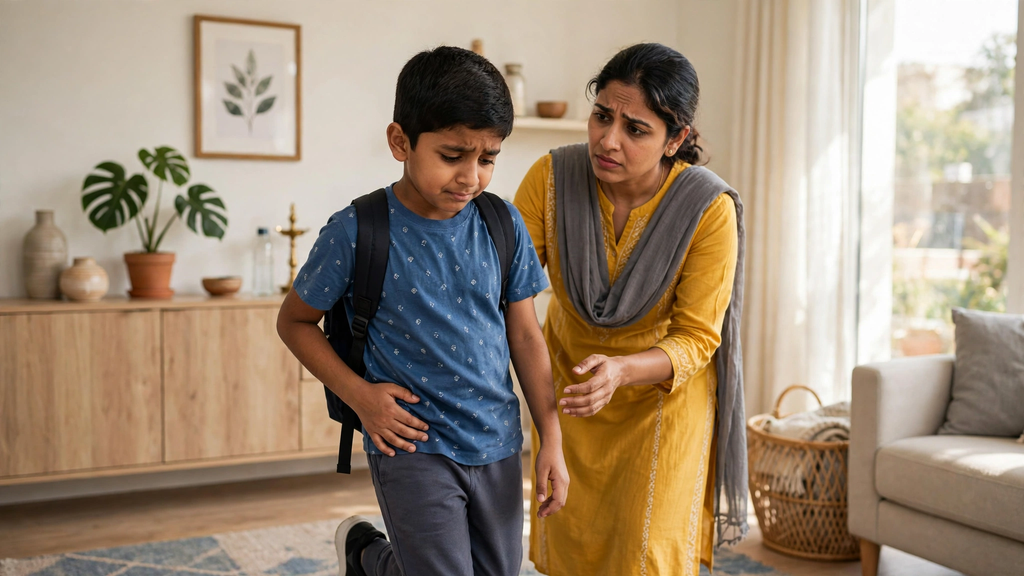
Watch a toddler chase a balloon across a living room, and you are witnessing something remarkable. Every step depends on a hip joint that must rotate, glide, and bear weight smoothly. A child’s hip is not simply a smaller version of an adult hip it is a developing structure where the femoral head (the ball) and the acetabulum (the socket) are still shaping each other through movement and growth. When that movement becomes restricted, even subtly, a child’s entire world can shrink.
However, persistent hip stiffness, reduced movement, or limping in a child can arise from several conditions some self-limiting, others requiring timely orthopedic attention. when a pediatric hip specialist in Bhubaneswar or elsewhere in Odisha might be the right next step. It is not a diagnostic tool, and online information cannot replace an in-person medical assessment. Use it as a guide to ask better questions and make informed decisions.
What Does Hip Stiffness in Children Mean?
Hip stiffness refers to a child’s difficulty moving the hip joint through its normal range of motion. It is not a diagnosis by itself it is a symptom that can arise from many different causes. Parents often describe it as their child “not moving the leg properly,” “guarding the hip,” or “walking like something is wrong.”
Stiffness is different from pain, weakness, and reduced range of motion, though they often occur together. A child may have stiffness without obvious pain, or pain that limits movement so much that it feels like stiffness. Weakness, by contrast, involves a loss of strength rather than a mechanical restriction.
Symptoms appear differently depending on the child’s age:
- Infants may show asymmetry during diaper changes one leg does not spread as widely as the other. A clicking or popping sensation may be noticed. Some babies with hip problems may not crawl or walk on schedule.
- Young children (toddlers to school-age) may limp, refuse to walk, or complain of hip, thigh, or knee pain. They might avoid climbing stairs, running, or sitting cross-legged.
- Adolescents may report groin or thigh pain, stiffness after sitting, or difficulty keeping up in sports. They may unconsciously hold the affected leg in a turned-out position.
Observable signs that parents can look for include difficulty spreading the legs, limping, avoiding certain movements, pain during hip motion, difficulty climbing stairs, reduced participation in physical activity, and one leg appearing different from the other in length or position.
Common Conditions That May Cause Hip Stiffness in Children
Developmental Dysplasia of the Hip (DDH)
Developmental dysplasia of the hip is a spectrum of conditions where the hip joint does not develop normally, ranging from mild acetabular immaturity to hip subluxation or frank dislocation. In DDH, the femoral head may not sit properly in the socket, and over time, this can affect hip movement and function.
Parents may notice unequal skin folds on the thighs, one leg appearing shorter, limited movement of one hip, or a clicking sensation during diaper changes. In older children, DDH can cause limping, a waddling gait, or pain in the hip, thigh, or knee. It is important to understand that not every child with DDH develops stiffness some have primarily instability or asymmetry. Diagnosis typically involves a physical examination, and imaging such as ultrasound in infants or X-rays in older children, depending on the child’s age and clinical findings.
Transient Synovitis
Transient synovitis is a self-limited inflammatory condition of the hip that most commonly affects children between 2 and 12 years of age. It is the most frequent cause of acute hip pain and limp in this age group. The condition involves temporary inflammation of the synovial lining of the hip joint, often following a viral illness such as a cold or respiratory infection.
A child with transient synovitis may develop a limp and mild to moderate hip pain that comes on gradually or suddenly. They may be unwilling to bear weight on the affected leg. While transient synovitis is not considered a serious condition and usually resolves with rest and supportive care, medical assessment is still important to distinguish it from more serious causes of hip pain, including septic arthritis.
Septic Arthritis
Septic arthritis is an orthopedic emergency. It occurs when bacteria infect a joint, and if not treated promptly, it can cause lasting damage. In children, septic arthritis of the hip typically presents with an acute onset of joint pain, limited movement, and fever. The child may refuse to bear weight, hold the hip rigidly, and appear acutely unwell.
Warning signs include fever above 101°F, severe pain, significant restriction of hip movement, refusal to walk, and a child who appears irritable or systemically ill. Some children may have pain referred to the knee rather than the hip, which can be misleading. Septic arthritis requires urgent medical evaluation there is no role for watchful waiting when this condition is suspected.
Perthes Disease (Legg-Calvé-Perthes Disease)
Legg-Calvé-Perthes disease is a condition in which the blood supply to the developing femoral head is temporarily disrupted, leading to bone death and subsequent remodeling. It most commonly affects children between 4 and 10 years of age, though it can occur outside this range.
Characteristic symptoms include hip pain, limping, and stiffness or reduced movement of the hip. Some children complain of knee pain without significant hip pain, which can delay recognition. Pain tends to worsen with activity and improve with rest. Over time, muscle wasting in the thigh may become noticeable. Because Perthes disease can affect the shape of the femoral head as it heals, persistent symptoms especially limping or reduced hip motion—warrant evaluation.
Slipped Capital Femoral Epiphysis (SCFE)
SCFE occurs when the capital femoral epiphysis (the growth plate at the top of the femur) slips posteriorly and inferiorly relative to the femoral neck. It typically affects adolescents between 8 and 15 years of age, often during a growth spurt, and is more common in children who are overweight.
The first symptom of stable SCFE may be stiffness or mild pain in the hip. Pain is often poorly localized and may be felt in the groin, thigh, or knee. Limping is common. In unstable SCFE, the child may suddenly be unable to bear weight, and the pain may be severe. Because SCFE can worsen rapidly and affect the long-term health of the hip joint, sudden worsening of symptoms or inability to walk requires prompt medical attention.
Juvenile Idiopathic Arthritis and Other Inflammatory Conditions
Juvenile idiopathic arthritis (JIA) is a group of chronic inflammatory joint conditions that can affect children. Hip involvement occurs in a significant proportion of children with JIA and may present as groin pain, referred knee or thigh pain, stiffness, and reduced hip movement. In some children, the hip may be the first or primary joint affected.
Inflammatory conditions often cause prolonged morning stiffness, joint swelling, and reduced mobility that does not resolve with rest. Unlike mechanical pain that worsens with activity, inflammatory pain tends to be worse after inactivity and improves with movement. Persistent symptoms that do not fit the pattern of simple growing pains should be evaluated rather than assumed to be benign.
Injury, Overuse, and Sports-Related Problems
Falls, sports injuries, repetitive activity, and muscle or tendon problems can all contribute to hip discomfort or restricted movement in children. A toddler’s fracture, muscle strain, or apophyseal injury around the hip can cause limping and guarding of the leg.
Symptoms that persist after an injury beyond the expected recovery time deserve assessment. A child who continues to limp weeks after a fall, or whose hip motion remains limited, may have an underlying issue that requires orthopedic evaluation.
Signs of Hip Problems Parents Should Not Ignore
The following signs warrant attention. Their presence does not automatically mean a serious condition, but they are reasons to seek professional guidance:
- Persistent limping that does not resolve within a few days
- Refusal to walk or unexplained reluctance to bear weight
- Difficulty bearing weight on one leg
- Reduced hip movement compared to the other side
- Pain that persists, worsens, or wakes the child at night
- Fever accompanied by hip pain
- Sudden severe hip pain
- Pain following a significant injury
- Recurrent hip or groin discomfort
- Pain that interferes with sleep or normal daily activities
- Difficulty running or participating in sports at the usual level
- One-sided difference in movement, leg length, or posture
- Unexplained weakness or changes in physical function
These symptoms can have many different causes. A limp, for example, may result from a minor strain, transient synovitis, or something requiring more urgent attention. The purpose of listing them is not to alarm parents but to encourage timely evaluation when symptoms persist or interfere with a child’s life.
Hip Stiffness vs. Normal Childhood Growth

Children frequently experience temporary aches and pains as they grow and play. The challenge for parents is distinguishing between benign, self-limiting discomfort and symptoms that need evaluation. Growing pains are typically vague, occur in the late evening or at night, affect both legs, and resolve completely by morning. They do not cause limping, swelling, or reduced hip movement.
The comparison below may help parents think through their child’s symptoms, though it cannot replace clinical judgment:
| Normal or Temporary Features | Features That May Require Evaluation |
|---|---|
| Pain after unusually strenuous activity, resolves with rest | Pain that persists despite rest or worsens over time |
| Discomfort in both legs, often at night | Pain consistently localized to one hip, thigh, or knee |
| Child walks normally the next morning | Limping that continues for more than a few days |
| No swelling, redness, or warmth around the joint | Swelling, warmth, or reduced movement of the hip |
| Child’s activity level returns to normal quickly | Avoidance of walking, running, or sports |
| No fever or systemic symptoms | Fever, irritability, or appearing unwell |
Parents should not assume that persistent hip stiffness or limping is simply “growing pain.” Growing pains do not cause a child to limp or restrict hip movement. When symptoms are persistent, recurrent, or asymmetric, an evaluation is appropriate.
When Should Parents See a Pediatric Orthopaedic Specialist?
A consultation with a pediatric orthopedic specialist may be appropriate when symptoms are persistent, recurrent, or affecting the child’s daily life. Specific situations include:
- Limping that lasts more than a few days or keeps returning
- Reduced hip range of motion noticed by a parent or another clinician
- Difficulty walking, running, or climbing stairs
- Symptoms affecting school attendance, sports, or play
- Unexplained asymmetry in leg position, length, or movement
- A history of significant injury with ongoing symptoms
- Developmental concerns about hip development or walking milestones
For families in Odisha, consulting a pediatric orthopedic doctor in Bhubaneswar can provide access to age-appropriate assessment and imaging when needed.
Urgent assessment is appropriate when:
- The child has fever with significant hip pain
- There is sudden, severe hip pain
- The child cannot walk or bear weight
- There has been a significant injury
- The child appears seriously unwell, lethargic, or irritable
These situations may indicate conditions such as septic arthritis that require prompt medical attention.
What Happens During a Pediatric Orthopedic Hip Evaluation?
A pediatric orthopaedic hip evaluation is a structured process designed to understand the child’s symptoms, identify possible causes, and determine whether further investigation is needed. It typically includes:
- Medical history: Birth history, developmental milestones, previous injuries, and family history of hip conditions.
- Symptom history: When symptoms started, what makes them better or worse, and how they affect daily activities.
- Physical examination: Observation of posture, leg position, and gait. The clinician will assess hip range of motion, compare both sides, and look for signs of inflammation or asymmetry.
- Gait assessment: Watching the child walk, run, or climb stairs to identify limping patterns.
- Imaging when clinically indicated: Ultrasound is commonly used in infants; X-rays may be used in older children. Not every child needs imaging, and advanced imaging such as MRI is reserved for specific situations.
- Further investigations when necessary: Blood tests may be ordered if infection or inflammation is suspected.
The evaluation is tailored to the child’s age and symptoms. A toddler with a limp will be assessed differently from an adolescent with groin pain. The goal is to gather enough information to make a responsible clinical decision not to subject every child to every possible test.
Why Early Evaluation Can Matter
Some pediatric hip conditions are easier to manage when recognized appropriately. For example, DDH detected in infancy may be treated with a harness, while delayed recognition may require more complex intervention. SCFE diagnosed before it becomes unstable may be treated with a single surgical procedure, whereas an unstable slip carries a higher risk of complications. Perthes disease managed during the active phase may benefit from activity modification and monitoring.
This does not mean that early diagnosis guarantees a specific outcome. Treatment depends on the child’s age, the underlying condition, the severity of involvement, how long symptoms have been present, the child’s growth stage, and clinical findings. What early evaluation offers is the opportunity to make informed decisions at a time when more options may be available.
What Can Parents Do While Waiting for an Evaluation?
While waiting for an appointment, parents can take practical steps to support their child and provide useful information to the clinician:
- Observe and document symptoms: Note when limping started, what makes it better or worse, and whether there is pain at night.
- Avoid forcing painful movements: Do not push the child to stretch or move the hip if it causes significant pain.
- Limit strenuous activity if movement causes significant pain, but allow gentle activity as tolerated.
- Note any fever, recent illness, or injury that may be relevant.
- Follow medical advice if the child has already been evaluated.
- Seek urgent care if red-flag symptoms occur, such as fever with hip pain, inability to bear weight, or sudden severe pain.
Do not give prescription medications or attempt to treat the child’s hip problem without medical guidance.
Frequently Asked Questions About Hip Stiffness
1. What causes hip stiffness in children?
Ans :- Hip stiffness in children can have many causes, including developmental conditions such as DDH, inflammatory conditions such as transient synovitis or juvenile idiopathic arthritis, and structural problems such as Perthes disease or SCFE. Injuries and overuse can also contribute. A proper evaluation is needed to determine the specific cause.
2. Is hip stiffness normal during childhood?
Ans :- Temporary stiffness after unusual activity can be normal. However, persistent stiffness, stiffness that limits walking or play, or stiffness accompanied by pain, limping, or fever is not normal and should be evaluated.
3. Can growing pains cause hip stiffness?
Ans :- Growing pains do not typically cause hip stiffness or limping. They are usually vague, occur in both legs at night, and resolve by morning. Persistent hip stiffness is not a feature of growing pains and should not be attributed to them without evaluation.
4. How do I know if my child has a hip problem?
Ans :- Signs include limping, reduced hip movement, reluctance to walk or bear weight, pain in the hip, thigh, or knee, difficulty with stairs or sports, and asymmetry between the legs. If any of these persist, consult a clinician.
5. What are the symptoms of hip dysplasia in children?
Ans :- Symptoms of DDH may include unequal thigh skin folds, one leg appearing shorter, limited hip movement on one side, a clicking sensation during diaper changes, and in older children, limping or a waddling gait.
6. Can hip problems cause a child to limp?
Ans :- Yes. Limping is one of the most common signs of hip problems in children. Conditions such as transient synovitis, Perthes disease, SCFE, and DDH can all cause limping.
7. When should a child see a pediatric orthopaedic specialist?
Ans :- When hip symptoms persist beyond a few days, recur, limit movement, affect walking or sports, or are accompanied by fever or severe pain, a pediatric orthopedic evaluation is appropriate.
8. Is hip pain in children an emergency?
Ans :- Most hip pain in children is not an emergency. However, hip pain with fever, sudden severe pain, inability to bear weight, or a child who appears seriously unwell requires urgent medical attention.
9. What tests are used to diagnose hip problems in children?
Ans :- Diagnosis may involve physical examination, ultrasound (especially in infants), X-rays, and in some cases blood tests or MRI. Not every child needs all of these tests.
10. Can childhood hip problems be treated?
Ans :- Many childhood hip conditions can be managed effectively with appropriate treatment. The approach depends on the specific diagnosis, the child’s age, and the severity of the condition.
Conclusion
Hip stiffness in children can arise from many different conditions. Some are temporary and resolve with rest and monitoring. Others, such as DDH, Perthes disease, SCFE, septic arthritis, and inflammatory arthritis, may require timely orthopaedic evaluation and management. Persistent stiffness, limping, restricted movement, fever, severe pain, or difficulty bearing weight should not be ignored.
If you are concerned about your child’s hip movement, walking pattern, or activity level, consulting a qualified pediatric orthopedic specialist can provide clarity and guidance. An in-person assessment is the only way to determine the cause of your child’s symptoms and the appropriate next steps. Parents who are concerned about persistent hip stiffness, limping, or restricted movement in their child can consider consulting a pediatric orthopedic specialist in bhubaneswar for an appropriate evaluation.
Limping or Refusing to Walk? Get Your Child’s Hip Checked.
When a child’s hip movement changes, every day of uncertainty can feel like a week. Persistent limping, hip stiffness, or reluctance to walk is not something parents should try to diagnose at home. A proper pediatric orthopedic evaluation can identify the cause and guide the next step whether that means reassurance, monitoring, or treatment. If your child’s symptoms are affecting their walking, play, or sleep, consider seeking professional guidance sooner rather than later.
Meet Your Specialist Dr Dibya Ranjan Sahoo

Dr. Dibya Ranjan Sahoo is a Pediatric Orthopedic Surgeon based in Bhubaneswar. He evaluates back pain and musculoskeletal concerns in children, teenagers, and adults. Whether your pain is related to prolonged sitting, poor posture, sports strain, or an underlying condition, a proper assessment matters. Persistent, severe, or recurrent back pain should not be ignored. Book an orthopedic consultation to discuss your symptoms and receive appropriate, evidence-based care. Early evaluation helps identify the cause and guides the right treatment plan.
Book a Consultation with Dr Dibya Ranjan Sahoo
Dr Dibya Ranjan Sahoo Pediatric Orthopedic Doctor in Bhubaneswar
Address :- Pragati Enclave, MIG S 21, Niladri Vihar, Chandrasekharpur, Bhubaneswar, Odisha 751016
Book an appointment today and get a consultation for back pain treatment
