
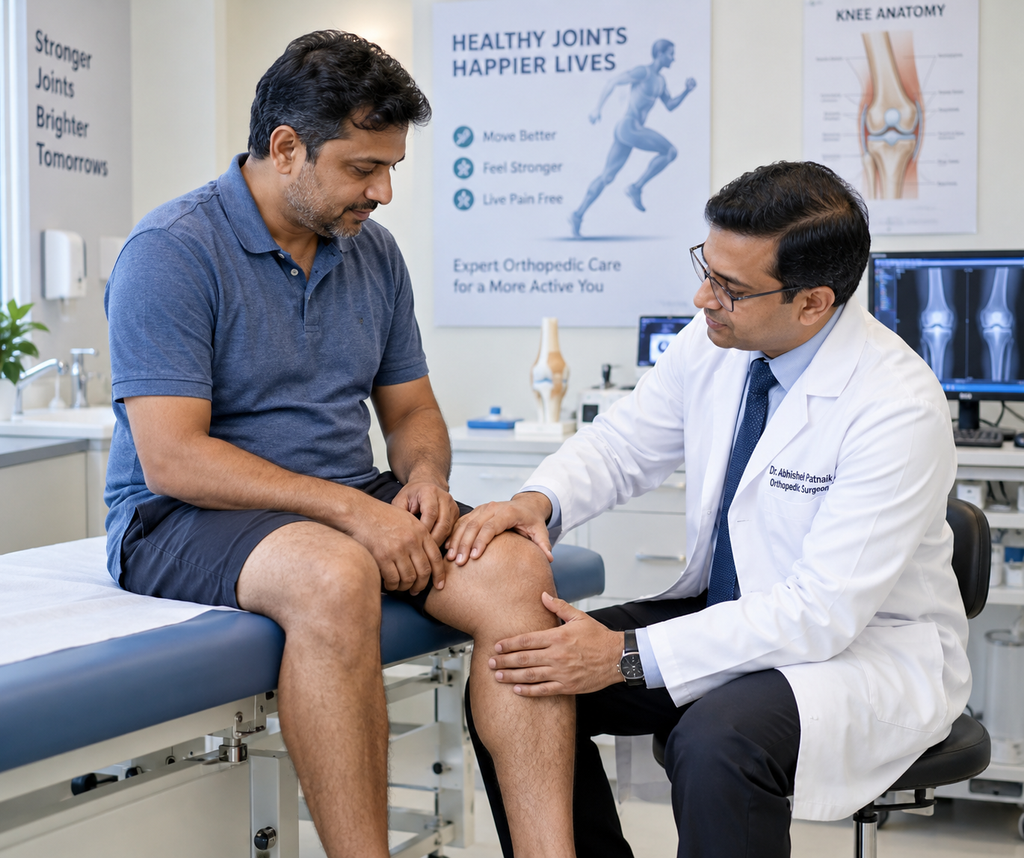
Knee pain is one of the most common musculoskeletal complaints among adults of all ages. Occasional discomfort after physical activity, prolonged standing, exercise or a minor strain often settles with rest and activity modification. However, persistent, worsening or function-limiting knee pain may indicate an underlying condition that deserves professional evaluation.
Understanding when to seek an orthopedic consultation can help patients avoid ignoring symptoms that may require timely assessment. This article explains the signs that warrant medical attention, possible causes of knee pain, how orthopedic doctors evaluate the joint, and available treatment approaches. For residents of Bhubaneswar experiencing ongoing knee discomfort, knowing when to seek a Knee Pain Consultation in Bhubaneswar can make a meaningful difference in managing the condition appropriately.
When Is Knee Pain More Than a Temporary Problem?
Not all knee pain indicates a serious problem. Many episodes of mild discomfort resolve within a few days with rest and appropriate activity modification. However, certain patterns suggest that the pain may require professional assessment.
Knee pain deserves greater attention when it:
- Persists despite rest and basic self-care measures
- Keeps returning after apparent recovery
- Gradually becomes worse over time
- Interferes with walking or normal gait
- Makes climbing or descending stairs difficult
- Limits exercise or daily activities
- Causes visible swelling or stiffness
- Affects sleep quality
- Develops after an injury or fall
It is important to note that duration alone does not determine the seriousness of knee pain. Some acute injuries require prompt attention, while certain chronic conditions may develop gradually over months. The nature of symptoms, their impact on function, and the presence of specific warning signs all contribute to determining whether medical evaluation is appropriate.
Seven Signs You Should Consult an Orthopedic Doctor
While only a qualified clinician can determine whether knee pain requires treatment, the following signs may indicate that an orthopedic evaluation is warranted:
Pain interfering with daily life or sleep: Discomfort that affects quality of life and may indicate a condition that could benefit from appropriate treatment.
Persistent or recurring knee pain: Discomfort that does not resolve with rest or continues to return after apparent recovery.
Significant swelling: Swelling that develops rapidly or persists, potentially indicating inflammation, fluid accumulation, or injury within the joint.
Difficulty walking or bearing weight: An important indicator that should not be ignored, as it affects basic mobility.
Knee instability or giving way: A sensation that the joint is unstable, which may indicate ligament problems or other structural issues.
Locking or difficulty bending/straightening: Catching, locking, or an inability to fully bend or straighten the knee, which can suggest meniscus or other mechanical problems.
Pain following an injury: Discomfort that develops after an injury, even if the initial symptoms seemed minor, to rule out fractures, ligament tears, or other damage.
What Can Cause Persistent Knee Pain?
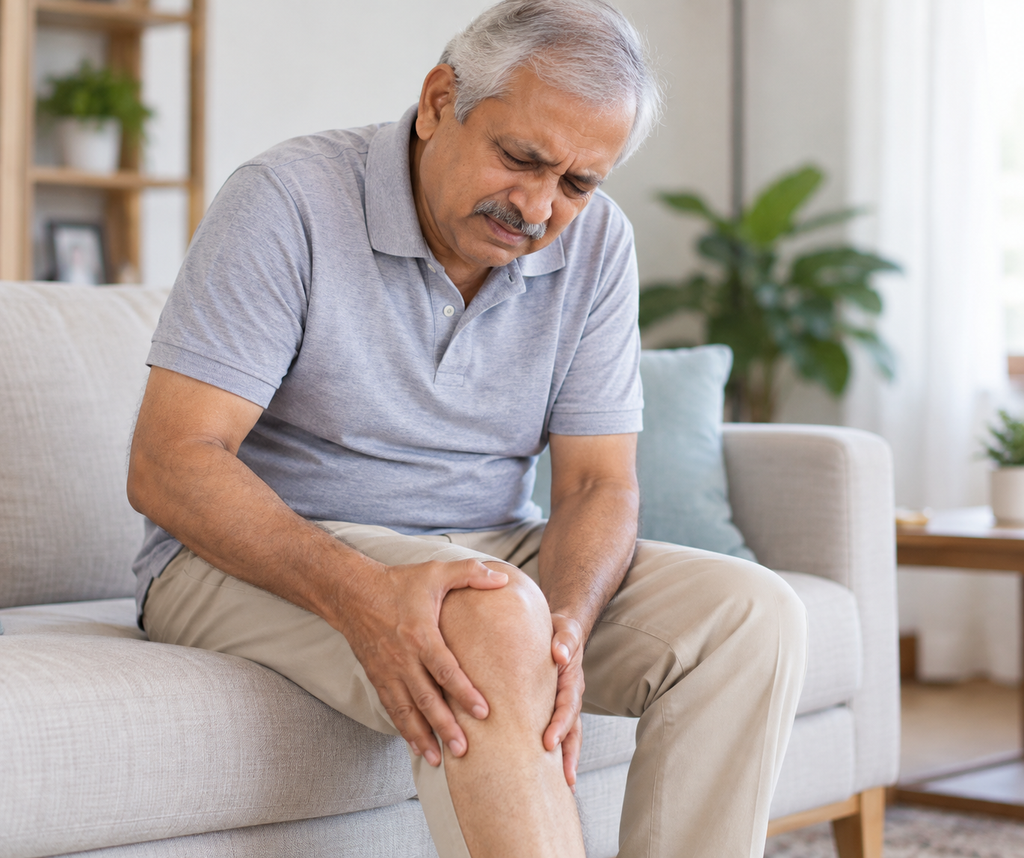
Knee pain can arise from numerous causes, and symptoms alone cannot establish a diagnosis. The knee is a complex joint involving bones, cartilage, ligaments, tendons, muscles and bursae. Problems affecting any of these structures can produce pain, swelling, stiffness or functional limitation.
Osteoarthritis is a common cause of knee pain, particularly among older adults. This degenerative condition involves gradual wear of the cartilage lining the joint, leading to pain, stiffness and reduced mobility. However, it is important not to assume that all knee pain is arthritis, as many other conditions can produce similar symptoms.
When Knee Pain May Need Urgent Medical Attention
Certain situations involving knee pain may require prompt medical attention. While most knee pain is not an emergency, recognizing red flags can help patients seek timely care when necessary.
Severe pain following significant trauma, such as a fall from height or a road traffic accident, warrants urgent evaluation. Inability to bear weight on the affected leg, obvious deformity of the knee, or rapid and marked swelling after injury may indicate fracture, dislocation or significant ligament damage. These situations require immediate medical assessment.
Fever accompanied by a hot, swollen knee may suggest infection within the joint, which requires urgent treatment. Severe redness or warmth associated with systemic symptoms such as chills or malaise should also prompt immediate medical attention. New significant weakness or neurological symptoms affecting the leg may indicate nerve involvement requiring evaluation.
Why Treatment Options May be Considerd?
Treatment for knee pain depends entirely on the underlying diagnosis. There is no single approach that works for all patients, and the appropriate plan considers the cause, severity, duration, patient age, activity level and overall health.
Conservative measures are often the first line of treatment. Activity modification can help reduce stress on the knee while allowing healing. Physiotherapy and therapeutic exercise programs aim to improve strength, flexibility and joint stability. Weight management, where clinically appropriate, can reduce load on the knee joint and may help alleviate symptoms.
Supportive measures such as bracing or footwear modifications may be recommended for certain conditions. Medicines may be prescribed by a qualified clinician when appropriate, though specific medications and dosages depend on individual circumstances. Injections may be considered for selected conditions. Surgical treatment may be an option for certain injuries or advanced conditions that do not respond to conservative care, but surgery is not appropriate for all patients and is considered only after careful evaluation.
Why Early Orthopedic Assessment Can Matter
Timely orthopedic assessment offers several potential benefits. Identifying the cause of pain helps guide appropriate treatment and may prevent unnecessary self-treatment measures that could worsen the condition. Understanding whether an injury is present allows for appropriate management and supports safe return to activity.
Early assessment can help patients understand their condition, make informed decisions about treatment, and set realistic expectations for recovery. For persistent symptoms, appropriate management may help improve function and quality of life. While early consultation does not guarantee that surgery will be avoided or that complications will not occur, it supports informed decision-making and appropriate care.
Frequently Asked Questions
1. When should I see an orthopedic doctor for knee pain?
Ans :- Consider an orthopedic consultation if knee pain persists despite rest, keeps returning, worsens over time, or interferes with walking, daily activities or sleep. Pain following an injury, significant swelling or knee instability also warrants evaluation.
2. How long should knee pain last before seeking medical advice?
Ans :- If knee pain does not improve within a few days of rest and activity modification, or if it is severe or worsening, medical evaluation is appropriate. There is no fixed timeline, as the nature and impact of symptoms matter more than duration alone.
3. Does every knee pain problem require an MRI?
Ans :- No. MRI is recommended only when clinically indicated based on the suspected condition and findings from history and physical examination. Many knee problems can be evaluated with X-rays or clinical assessment alone.
4. Can knee pain be caused by arthritis?
Ans :- Yes, osteoarthritis is a common cause of knee pain, particularly in older adults. However, many other conditions can also cause knee pain, and symptoms alone cannot establish a diagnosis without clinical evaluation.
5. What does an orthopedic doctor check during a knee examination?
Ans :- An orthopedic examination typically includes assessment of range of motion, stability, strength, swelling, tenderness and walking pattern. The doctor may also compare the affected knee with the unaffected side and order imaging if needed.
6. Can knee pain improve without surgery?
Ans :- Many knee conditions improve with conservative treatment such as activity modification, physiotherapy and appropriate medical management. Surgery is considered only for selected conditions that do not respond to other approaches.
7. When is knee pain an emergency?
Ans :- Seek urgent medical attention for severe pain after significant trauma, inability to bear weight, obvious deformity, rapid swelling after injury, fever with a hot swollen knee, or new significant weakness in the leg.
Conclusion
Knee pain can arise from many causes, ranging from minor strains and overuse injuries to degenerative conditions or structural damage within the joint. While some episodes of discomfort resolve with rest and activity modification, persistent, worsening or function-limiting symptoms should not be ignored A timely Knee Pain Consultation in Bhubaneswar can help identify the underlying cause, rule out serious injury, and guide an appropriate treatment plan tailored to the individual’s needs, age, and activity level. .
Still Struggling With Knee Pain That Won’t Go Away?
If persistent or recurring knee pain is limiting your mobility, affecting your sleep, or making everyday activities difficult, don’t ignore it. An orthopedic consultation can help identify the underlying cause and determine an appropriate, individualized treatment approach.
Meet Your Knee Pain Specialist : Dr Dibya Ranjan Sahoo

Looking for expert knee care in Bhubaneswar? Dr. Dibya Ranjan Sahoo is a distinguished Orthopedic Surgeon with comprehensive training and experience in treating musculoskeletal conditions across all age groups.. Dedicated to accurate diagnosis and evidence-based treatment, he designs personalized plans for sports injuries, arthritis, and chronic joint pain. His professional guidance can help you regain mobility, reduce discomfort, and return to the activities you love.
Visit Dr Dibya Ranjan Sahoo Clinic at bhubaneswar
Address :- Pragati Enclave, MIG S 21, Niladri Vihar, Chandrasekharpur, Bhubaneswar, Odisha 751016
Visit Location :- https://maps.app.goo.gl/j6koGD25RD3YLhvB8
Book an appointment today and get a consultation
