

Sanjay works as a data entry operator in Bhubaneswar, spending eight hours a day at his computer. Over the past few weeks, he has noticed a nagging ache on the outside of his right elbow. At first, he ignored it, assuming it would go away on its own. But now, even lifting a cup of tea or shaking hands with a colleague sends a sharp twinge through his arm. He is not alone. Many adults who perform repetitive tasks whether typing, lifting, sewing, or using tools experience elbow pain that gradually worsens over time.
Repetitive movements place repeated stress on the muscles, tendons, and other structures around the elbow joint. Over time, this strain can lead to inflammation, micro-tears, and discomfort. While occasional soreness may be harmless, recurring pain should not be ignored. Understanding the causes and available treatment options is the first step toward finding relief and protecting your long-term joint health. For those experiencing persistent symptoms, consulting a specialist for elbow pain treatment in Bhubaneswar can help identify the underlying cause and guide appropriate care.
Why Does Repetitive Work Cause Elbow Pain?
The elbow joint is involved in many everyday movements, including gripping, lifting, twisting, and reaching. When these actions are repeated for long periods without adequate rest, the tendons and muscles around the elbow can become overworked. This is known as overuse or repetitive strain injury.
The forearm muscles attach to the elbow through tendons. Repeated contraction of these muscles can pull on their attachments, causing tiny tears and inflammation. Over time, this can lead to pain, tenderness, and weakness. The severity of the problem often depends on the frequency, intensity, and duration of the repetitive activity, as well as individual factors like posture and technique.
Common Causes of Elbow Pain From Repetitive Work
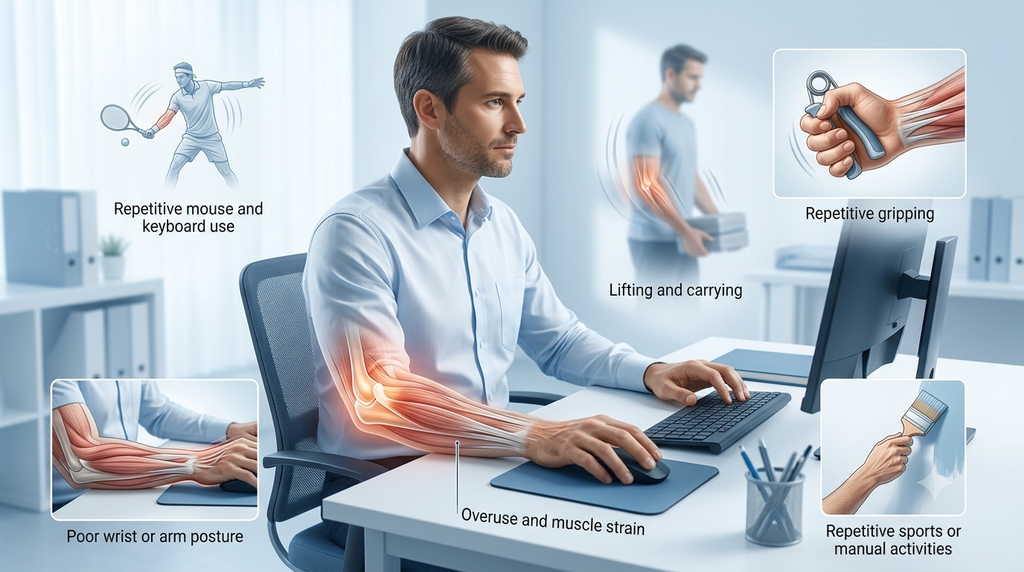
Several conditions can develop as a result of repetitive arm and hand movements. Here are the most common ones:
1. Tennis Elbow (Lateral Epicondylitis)
Tennis elbow is one of the most frequent causes of elbow pain from repetitive work. It involves inflammation or micro-tears in the tendons on the outside of the elbow, where the forearm muscles attach to the bony bump (lateral epicondyle). Despite its name, this condition is not limited to tennis players. It can affect anyone who performs repetitive wrist and forearm movements, such as typing, using a computer mouse, or gripping tools.
2. Golfer’s Elbow (Medial Epicondylitis)
Golfer’s elbow is similar to tennis elbow but affects the inner side of the elbow. The pain occurs at the medial epicondyle, where the tendons of the forearm flexor muscles attach. This condition is common in people who perform repeated gripping, twisting, or wrist flexion activities, such as using a screwdriver, lifting heavy objects, or playing certain sports.
3. Tendon Overuse
Tendons are strong bands of tissue that connect muscle to bone. When a tendon is subjected to repetitive strain without adequate rest, it can become irritated, inflamed, or thickened. This can cause pain and stiffness around the elbow joint.
4. Bursitis
Bursae are small, fluid-filled sacs that cushion the bones, tendons, and muscles near joints. Repetitive pressure or friction can irritate the bursa in the elbow, leading to inflammation and swelling. Elbow bursitis often causes pain, redness, and a noticeable bump at the back of the elbow.
5.Muscle or Ligament Strain
Overuse or improper movement can strain the muscles and ligaments around the elbow. This can occur when the arm is placed in awkward positions or when repetitive movements are performed without proper technique.
What Does Repetitive Strain Elbow Pain Feel Like?
The symptoms of repetitive strain elbow pain can vary depending on the underlying cause. Common complaints include:
- Aching or burning pain around the elbow, which may radiate into the forearm
- Tenderness when pressing on specific areas of the elbow
- Pain while gripping, lifting, or twisting objects
- Pain during wrist movements, especially bending the wrist backward or forward
- Stiffness in the elbow, particularly after rest
- Weakness in the hand or forearm, making it difficult to hold objects
- Swelling or redness in some cases, especially with bursitis
These symptoms may develop gradually and worsen over time if the repetitive activity continues without appropriate rest or modification.
Which Activities Can Trigger Elbow Pain?
Many everyday activities can contribute to repetitive strain elbow pain. Common triggers include:
- Long hours of computer or mouse use without proper wrist support
- Repeated lifting of heavy objects, especially with poor technique
- Hammering or using hand tools for extended periods
- Sewing or tailoring, particularly with rapid, repetitive motions
- Cooking and household work, such as chopping, whisking, or scrubbing
- Typing on keyboards without adequate wrist rest
- Sports like badminton, tennis, or cricket that involve repeated arm movements
- Assembly or manufacturing tasks requiring repetitive gripping or twisting
Understanding which activities aggravate your symptoms can help you modify your routine and prevent further irritation.
When Should You See an Orthopedic Doctor?
While mild elbow pain may improve with rest, there are situations where professional evaluation is necessary. You should consult an orthopedic doctor if you experience:
- Pain that persists for more than a few days despite rest and home care
- Pain that keeps returning after you resume normal activities
- Significant swelling around the elbow joint
- Weakness or difficulty gripping objects, causing you to drop things frequently
- Reduced movement of the elbow, making it hard to straighten or bend the arm fully
- Numbness or tingling in the hand or fingers
- Pain following an injury, such as a fall or direct blow to the elbow
- Pain interfering with work, sleep, or daily activities
Important: Sudden severe pain, major swelling, or visible deformity after an injury may require prompt medical attention. If you experience these symptoms, seek immediate care.
How Is Repetitive Elbow Pain Diagnosed?
When you visit an orthopaedic doctor, they will begin by taking a detailed medical history. You will be asked about your symptoms, occupational and recreational activities, and any previous injuries.
The doctor will then perform a physical examination, assessing:
- Range of motion of the elbow and wrist
- Strength of the forearm and hand muscles
- Tenderness over specific areas of the elbow
- Pain during resisted movements, such as gripping or wrist extension
In many cases, a careful clinical examination is sufficient to diagnose the condition. However, if the cause is unclear or if the pain does not respond to initial treatment, the doctor may recommend imaging tests. An X-ray can help rule out bone problems like arthritis or fractures. An ultrasound or MRI may be used to evaluate soft tissues like tendons and ligaments in selected cases. It is important to note that imaging is not necessary for every patient.
Treatment Options for Elbow Pain From Repetitive Work
The appropriate treatment depends on the underlying cause and severity of the pain. Most patients with repetitive strain elbow pain respond well to non-surgical approaches. Common treatment options include:
- Temporary Activity Modification: This involves avoiding activities that aggravate the pain and allowing the affected tissues to heal. Rest is a crucial first step in recovery.
- Rest From Aggravating Movements: Taking regular breaks from repetitive tasks can help prevent further strain and allow inflammation to subside.
- Physiotherapy: A physiotherapist can guide you through exercises to stretch and strengthen the forearm muscles and tendons. This helps improve flexibility, reduce pain, and prevent recurrence.
- Ice or Heat Therapy: Applying ice packs to the painful area can help reduce inflammation and numb the pain. Heat therapy may be used for chronic stiffness.
- Ergonomic Changes: Adjusting your workstation—such as using an ergonomic keyboard, mouse, or wrist support—can reduce strain on the elbow and forearm.
- Bracing or Support: In selected cases, wearing a counterforce brace or elbow support may help reduce stress on the tendons during activity.
- Medicines: Over-the-counter pain-relief medicines may help manage short-term discomfort when advised by a healthcare professional. Always follow your doctor’s guidance regarding any medication.
- Injections or Surgery: Corticosteroid injections may be considered in some cases to reduce inflammation and relieve pain. Surgery is rarely needed and is typically reserved for severe, persistent cases that do not respond to conservative treatment
Frequently Asked Questions (FAQs) about elbow pain treatment
1. Can elbow pain from repetitive work heal on its own?
Mild cases of repetitive strain elbow pain may improve with adequate rest and activity modification. However, if the pain persists or keeps returning, it is important to seek professional evaluation. Without appropriate treatment, the condition can become chronic and more difficult to manage.
2. How long does it take for repetitive elbow pain to recover?
Recovery time varies depending on the severity of the condition and the underlying cause. With appropriate rest, physiotherapy, and activity modification, many people notice improvement within 4 to 6 weeks. However, more severe cases may take several months to heal completely.
3. Is tennis elbow only caused by playing tennis?
No. Despite its name, tennis elbow can affect anyone who performs repetitive wrist and forearm movements. Common causes include typing, using a computer mouse, lifting heavy objects, and using hand tools. Only a small percentage of tennis elbow cases actually occur in tennis players.
4. Can I continue working with elbow pain?
If your work involves repetitive arm movements, continuing without modification may worsen the condition. It is important to take regular breaks, adjust your workstation ergonomically, and avoid activities that aggravate the pain. If symptoms persist, consult an orthopaedic doctor for guidance.
5. What is the difference between tennis elbow and golfer’s elbow?
Tennis elbow affects the tendons on the outside of the elbow (lateral epicondyle), while golfer’s elbow affects the inner side (medial epicondyle). Tennis elbow is usually caused by repetitive wrist extension, whereas golfer’s elbow is associated with repetitive gripping and wrist flexion.
6. When should I see a doctor for elbow pain?
You should see a doctor if your elbow pain persists for more than a few days despite rest, if you experience significant swelling, weakness in your grip, numbness or tingling, or if the pain interferes with your daily activities or sleep. Sudden severe pain after an injury also requires prompt medical attention.
7. Can exercises help with repetitive elbow pain?
Yes. Specific stretching and strengthening exercises can be very helpful in managing and preventing repetitive elbow pain. A physiotherapist can design a program tailored to your condition. However, it is important to perform exercises correctly to avoid further injury.
8. Is surgery always necessary for severe elbow pain?
No. Surgery is rarely needed for repetitive strain elbow pain. Most patients respond well to non-surgical treatments such as rest, physiotherapy, activity modification, and supportive measures. Surgery is typically considered only when conservative treatment has failed after several months.
How Can You Prevent Repetitive Work-Related Elbow Pain?
Prevention is always better than cure. Here are some practical tips to reduce your risk of developing repetitive strain elbow pain:
- Take Regular Breaks: Avoid performing the same repetitive movement for long periods. Take short breaks every 20–30 minutes to rest your arm and stretch.
- Use Proper Posture and Ergonomics: Ensure your workstation is set up correctly. Your chair, desk, keyboard, and mouse should be positioned to promote neutral wrist and arm positions.
- Avoid Gripping Tools Too Tightly: Hold objects and tools with a relaxed grip. Excessive tension can increase strain on the tendons.
- Use Correct Lifting Techniques: When lifting heavy objects, use your larger muscle groups and avoid putting excessive strain on your arms and wrists.
- Gradually Increase Activity Levels: If you are starting a new activity or increasing your workload, do so gradually to allow your muscles and tendons to adapt.
- Strengthen Forearm Muscles: Regular exercises to strengthen the muscles of the forearm and wrist can help protect the elbow from strain.
- Address Pain Early: Do not ignore early signs of discomfort. Taking action early can prevent a minor issue from becoming a chronic problem.
Conclusion
Elbow pain from repetitive work is a common but treatable problem. Conditions such as tennis elbow, golfer’s elbow, and tendon overuse can develop gradually but often respond well to rest, physiotherapy, and lifestyle modifications. Early attention to symptoms can prevent the problem from becoming more persistent or severe. If you are experiencing recurring elbow pain, do not ignore it. A proper evaluation by an orthopedic doctor can help you understand the cause and guide you toward effective elbow pain treatment. Taking care of your joints today can help you stay active and pain-free in the years ahead.
Your Bone Health Matters. Choose Expert Care
Your bones and joints play an important role in keeping you active and independent. Whether you are dealing with persistent joint pain, an injury, a childhood bone condition, or concerns about your musculoskeletal health, getting the right medical advice can make a meaningful difference.
For expert orthopedic care, you can consult Dr. Dibya Ranjan Sahoo, an experienced orthopedic specialist with expertise in both adult and pediatric orthopaedics.
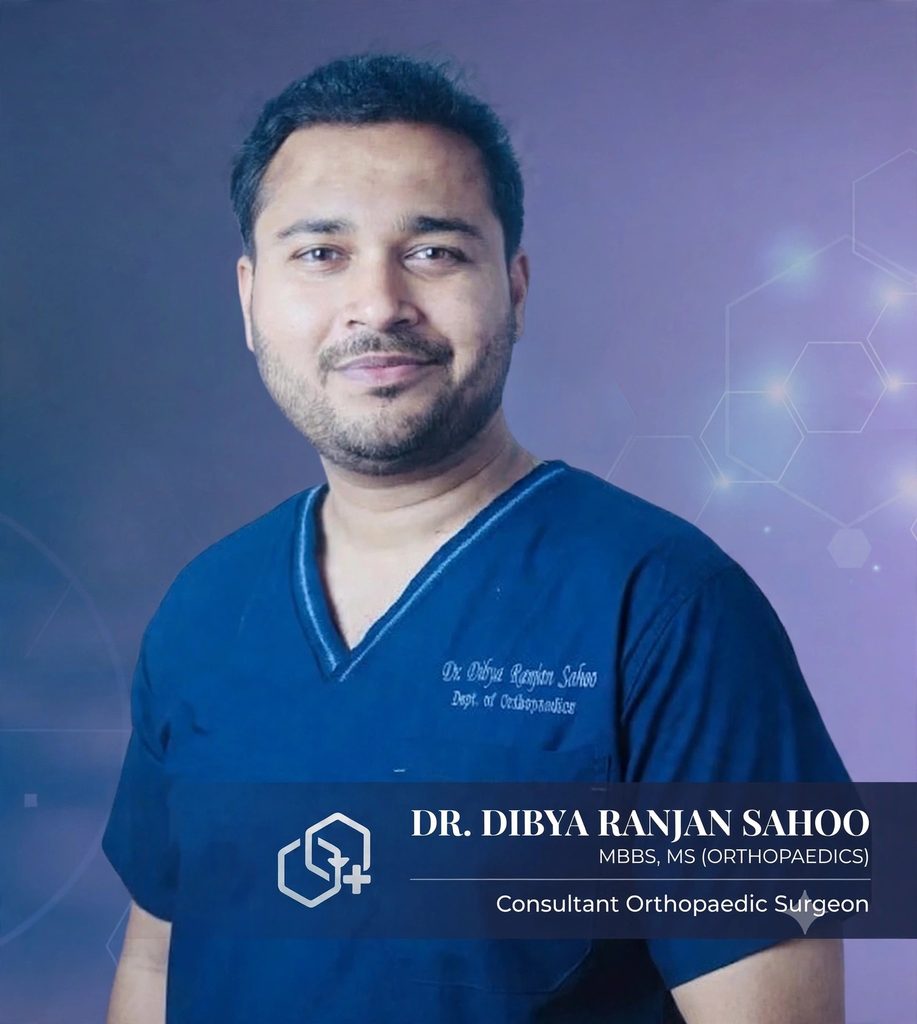
Dr. Dibya Ranjan Sahoo
M.B.B.S., MS Orthopaedics (AIIMS), DNB (Ortho), Fellowship in Pediatric Orthopedics
Assistant Professor, KIMS Hospital, Bhubaneswar
With specialised training in orthopedics and pediatric orthopedics, Dr. Sahoo provides evidence-based evaluation and personalised guidance for a wide range of bone, joint, and musculoskeletal conditions.
Do not ignore persistent bone or joint problems. Seeking timely expert care can help you understand the condition and choose the right treatment approach.
Clinic Adddress :-
Pragati Enclave, MIG S 21, Niladri Vihar, Chandrasekharpur, Bhubaneswar, Odisha 751016
Call:- 83288 83481
Disclaimer :- The information provided in this blog is intended for general educational and informational purposes only. It is not intended to replace professional medical advice, diagnosis, or treatment from a qualified healthcare professional.
