

Mrs. Sharma, a 58-year-old retired school teacher from Bhubaneswar, recently visited an orthopedic clinic after a minor fall caused a painful wrist fracture. She was surprised to learn that her bone density was lower than expected for her age. Her doctor explained that while her diet was adequate in several nutrients, she had been missing two essential components for bone health calcium and vitamin D.
This scenario is far from rare. Many adults go through their daily lives without realising that their bones, like the rest of their body, require specific nutrients to remain strong and resilient. Bone health is not just a concern for the elderly; it is something every adult should consider, especially when symptoms or risk factors are not immediately obvious. Understanding the role of vitamin D and calcium is a crucial first step. Consulting a qualified bone health specialist in Bhubaneswar can help you assess your individual risk and develop a plan to maintain strong bones throughout adulthood.
Why Are Vitamin D and Calcium Important for Bone Health?
The relationship between calcium and vitamin D is best understood as a partnership. Calcium is the primary mineral that provides the structure and strength to bones, acting as the fundamental building block . Without adequate calcium, the body cannot maintain bone density, leading to a higher risk of fractures .
Vitamin D acts as the essential facilitator. It is a hormone that enables the body to absorb calcium from the diet effectively . Without sufficient vitamin D, the calcium you consume cannot do its job properly, and the body may start to pull calcium from the bones to support other vital functions .
What Does Calcium Do for Your Bones?
Calcium is not just a structural element; it is a mineral vital for numerous bodily functions, including muscle contraction and nerve transmission . The body maintains a precise level of calcium in the blood at all times for these functions. If dietary calcium is insufficient, the body will leach calcium from the bones, which acts as a reservoir . Over time, this can lead to a gradual thinning of the bones, increasing the risk of osteoporosis and fractures. Maintaining an adequate calcium intake is essential to preserve bone strength and prevent this depletion .
What Does Vitamin D Do for Bone Health?
Vitamin D’s primary role in bone health is to facilitate the absorption of calcium from the intestines . It also supports normal bone mineralization and helps maintain healthy muscle function, which is important for balance and can reduce fall risk . A deficiency in vitamin D leads to decreased calcium absorption, which can trigger a negative calcium balance and an increase in the body’s production of parathyroid hormone (PTH), a substance that can cause excessive bone breakdown .
What Happens When You Don’t Get Enough Vitamin D or Calcium?
When calcium or vitamin D intake is inadequate, the effects can be subtle but significant over the long term. Inadequate intake can lead to reduced bone strength and an increased risk of bone loss and fractures as you age . Vitamin D deficiency specifically can cause muscle weakness, increasing the risk of falls in older adults . The condition of osteoporosis, where bones become brittle and fragile, is directly linked to long-term deficiencies in these critical nutrients . While not everyone with a deficiency will develop these problems, the risk is significantly elevated.
Signs That You May Need to Check Your Bone Health

Vitamin D deficiency and low calcium intake often do not cause obvious symptoms until a problem has become advanced . However, some adults may experience muscle weakness, bone discomfort, or frequent fractures. If you have risk factors for osteoporosis such as a family history of the condition, a diet low in dairy or other calcium-rich foods, or if you spend most of your time indoors it is wise to discuss bone health with a doctor. Symptoms alone cannot confirm a deficiency, so professional assessment is key.
Best Sources of Calcium
Dietary sources are the best way to obtain calcium. Practical options include:
- Milk and Yoghurt: Dairy products are excellent sources of readily absorbable calcium .
- Ragi (Finger Millet): A traditional grain rich in calcium.
- Sesame Seeds: These can be sprinkled on food or used in preparations like tahini .
- Cheese and Other Dairy Products: Choose lower-fat options when possible .
- Green Leafy Vegetables: Broccoli, kale, and mustard greens are good plant-based sources .
- Calcium-Fortified Foods: Some cereals, tofu, and plant-based milk alternatives are fortified with calcium.
How Can You Get Enough Vitamin D?
Vitamin D can be obtained from a few sources. Sensible exposure to sunlight helps the body produce its own vitamin D . However, due to indoor lifestyles and factors like season and skin tone, many people cannot rely on sun exposure alone . Dietary sources include fatty fish (like salmon and sardines), eggs, and mushrooms . Fortified foods, such as milk, can also contribute. Supplements are often recommended to help people reach their daily requirement, and it is best to discuss this with a doctor .
Who May Be at Higher Risk of Poor Bone Health?
Certain groups may need closer attention to their bone health. These include older adults, people with limited sunlight exposure, and those with diets low in calcium. Individuals with conditions that affect nutrient absorption (like celiac disease) or who are taking certain long-term medications are also at higher risk . A history of fractures or family history of osteoporosis is another important indicator .
Can Vitamin D and Calcium Prevent Osteoporosis?
Adequate nutrition is a cornerstone of maintaining bone health, but it is one of several factors that contribute to osteoporosis prevention. Other crucial factors include regular weight-bearing and resistance exercises, which help stimulate bone-building cells . Avoiding smoking and limiting excessive alcohol consumption are also vital . Supplements are not a substitute for a balanced approach but are a valuable part of a comprehensive strategy to protect bone health.
Should Adults Take Vitamin D and Calcium Supplements?
Supplements may be beneficial for some people, especially those who cannot get enough nutrients from their diet, including older adults and individuals with specific risk factors . However, they are not automatically necessary for everyone. The need for supplementation depends on factors like your diet, age, medical history, and blood test results. Some research suggests that for the general adult population, routine supplementation may have limited benefit for fracture prevention unless a deficiency is present . This is why a doctor’s advice is crucial before starting any new supplement. The recommended daily amount of vitamin D for most adults is 400 to 800 IU, while calcium intake is generally 1,000 to 1,200 mg, but these figures can vary .
When Should You Consult an Orthopaedic Doctor?
You should consider a professional evaluation if you experience recurrent fractures, persistent unexplained bone pain, or a loss of height. A doctor can help determine if you have osteoporosis or are at high risk. For those in the region, an orthopedic doctor in Bhubaneswar can perform a thorough assessment to evaluate your bone health and recommend appropriate steps to protect it.
Simple Bone Health Tips for Adults
Here are some practical, easy-to-follow tips for maintaining strong bones:
- Eat a Balanced Diet: Include adequate calcium and vitamin D-rich foods.
- Maintain Appropriate Vitamin D Levels: Consider sensible sun exposure and discuss supplements with a doctor.
- Stay Physically Active: Include weight-bearing and resistance exercises in your routine.
- Avoid Smoking: This is a direct risk factor for bone loss.
- Limit Excessive Alcohol Intake: Heavy drinking can accelerate bone thinning .
- Discuss Screening: Talk to your doctor about bone health screening, particularly if you are over 50.
Conclusion
Calcium provides the structure for strong bones, and vitamin D ensures that calcium is absorbed and used effectively. This partnership is essential for maintaining healthy bones throughout adulthood and preventing conditions like osteoporosis. Good nutrition, regular physical activity, and appropriate medical evaluation are the pillars of long-term bone health. If you have concerns about your bone health, do not hesitate to consult a healthcare professional for guidance.
Your Bone Health Deserves Expert Care
Maintaining strong and healthy bones requires the right balance of nutrition, lifestyle, regular monitoring, and timely medical care. If you have concerns about bone health, vitamin D or calcium deficiency, persistent bone or joint pain, or an increased risk of bone-related conditions.
Dr. Dibya Ranjan Sahoo, an experienced orthopedic specialist, provides expert evaluation and personalised guidance for a wide range of bone and musculoskeletal health concerns. With the right assessment and treatment approach, you can take proactive steps towards maintaining stronger, healthier bones at every stage of life.
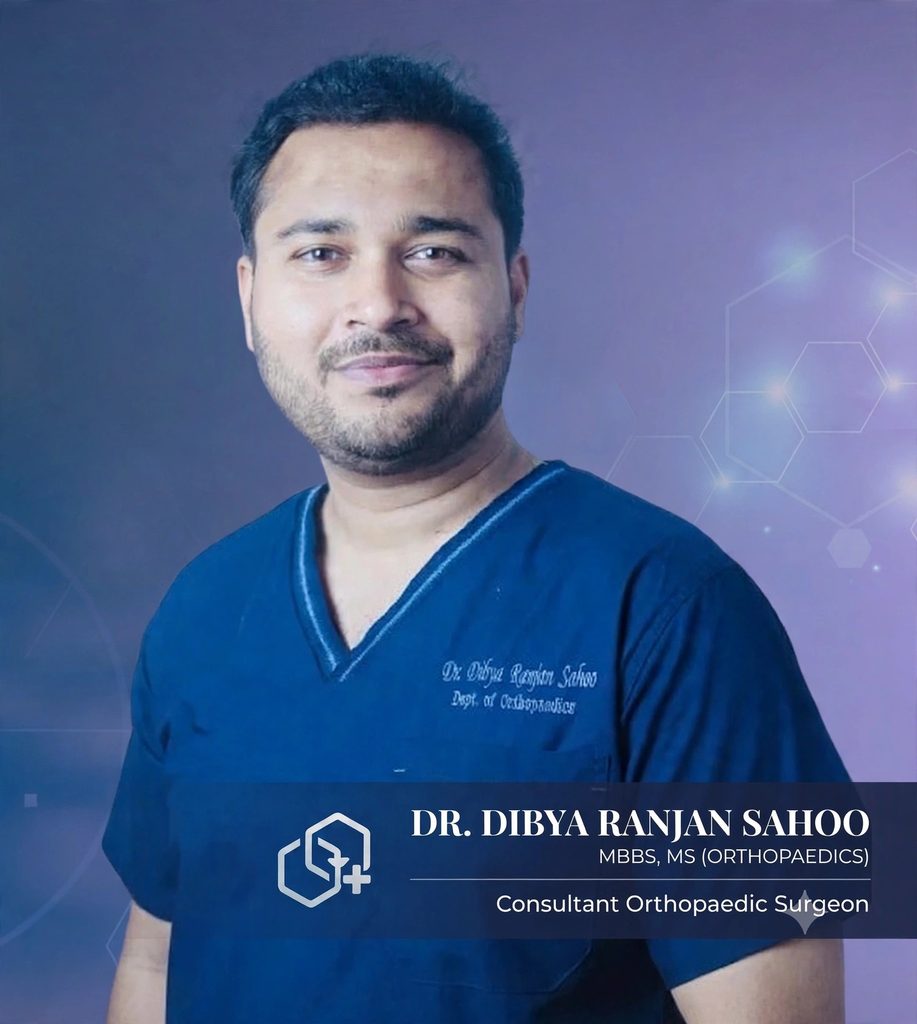
Dr Dibya Ranjan Sahoo
MBBS, MS Orthopaedics, DNB Orthopaedics, FELLOWSHIP IN PEDIATRIC ORTHOPEDICS
Clinic Address:–
Pragati Enclave, MIG S 21, Niladri Vihar, Chandrasekharpur, Bhubaneswar, Odisha 751016
Contact: +91 8328883481
Book an appointment
Disclaimer: The information provided in this blog is intended for general educational and informational purposes only. It is not intended to replace professional medical advice, diagnosis, or treatment from a qualified healthcare professional.
